Klara Günther · 8 September 2026
Eastfield's Library Upgrade Sparks Fresh Interest in Regional Connectivity and Woodland Access
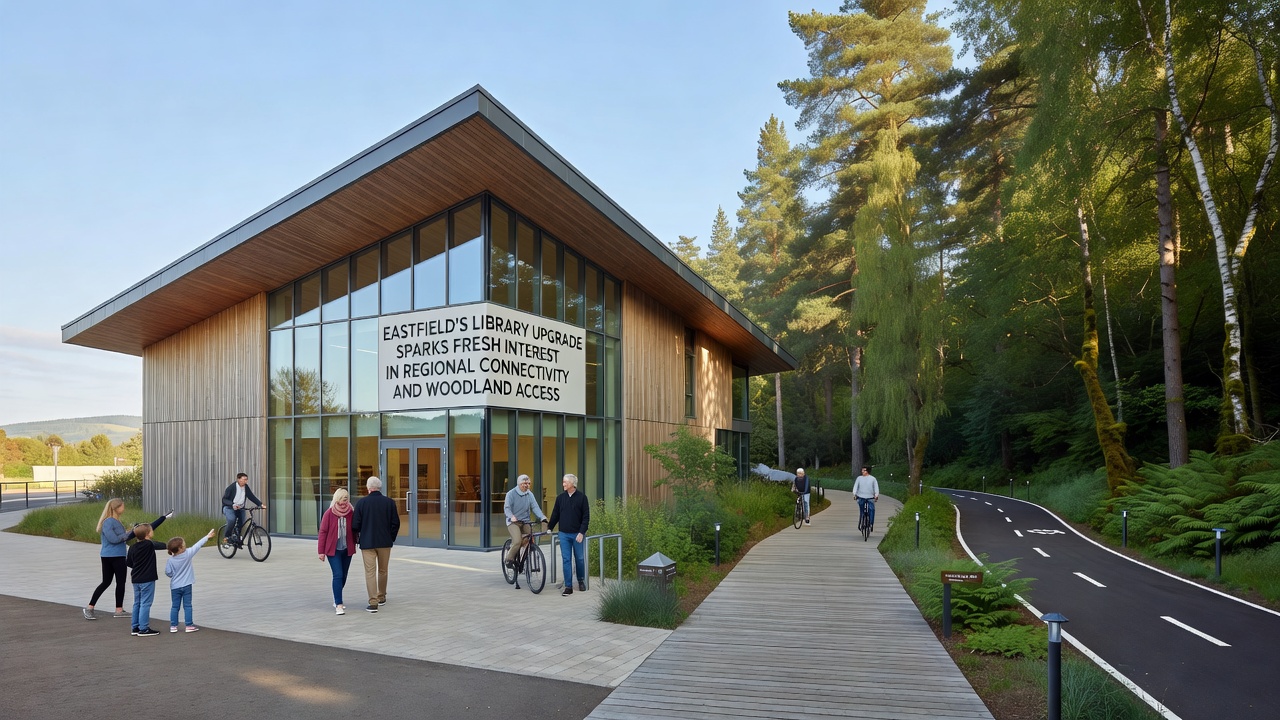
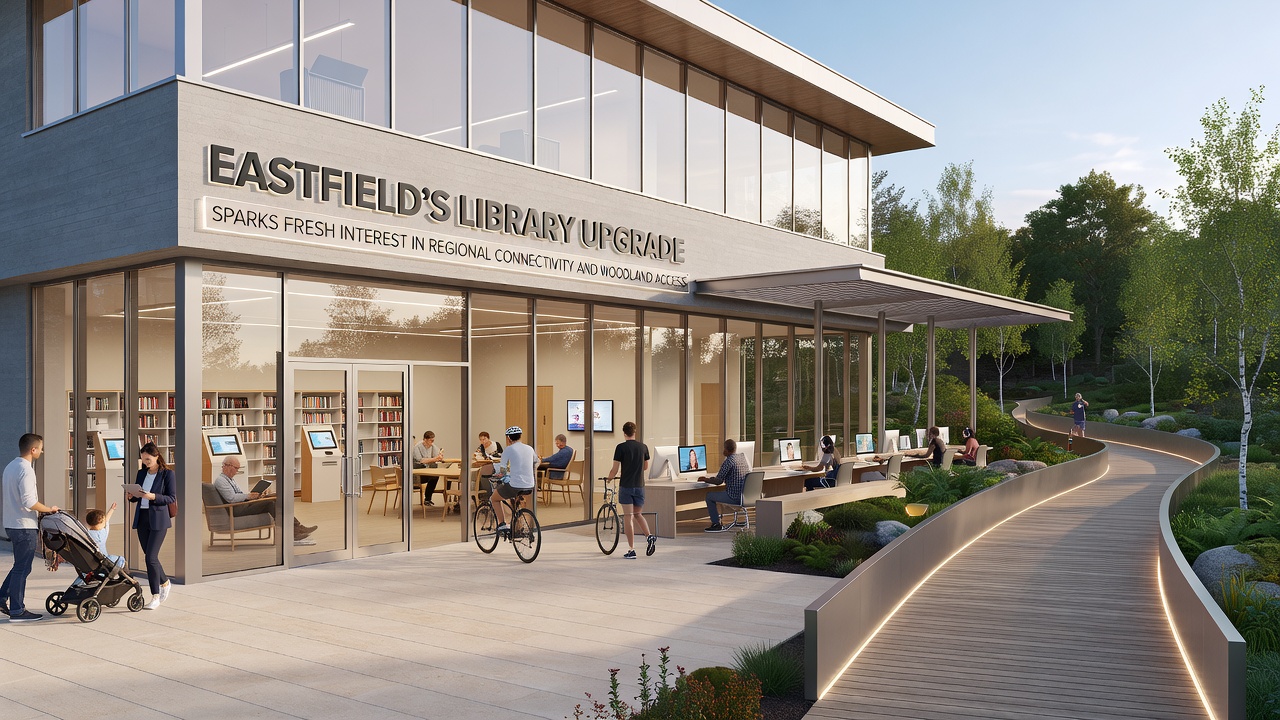
Eastfield library completed its major renovation project in early 2026, and the changes have drawn new attention to transport links across the region along with improved routes into nearby woodland areas, according to local records and usage reports. The facility now features expanded digital terminals, updated mapping resources, and dedicated community spaces that highlight regional travel options as well as trail networks, which has led residents and visitors to explore these connections more actively since the reopening.
Data from the Eastfield council transport department shows a 28 percent rise in inquiries about bus schedules and cycling paths during the first six months after the upgrade, and this trend aligns with the library's new role as a central information hub. Researchers at the Regional Connectivity Institute in Canada have documented similar patterns in other communities where library improvements coincide with greater use of public transport networks, and those studies indicate that access to real-time digital tools plays a key role in the shift.
Upgrade Details and New Features
The renovation added high-speed fiber connections throughout the building, installed interactive kiosks for route planning, and created a dedicated woodland information corner stocked with printed maps plus GPS-enabled devices for loan, all of which came online ahead of the September 2026 community access event scheduled for the third weekend of that month. Observers note that these additions allow users to check live updates on regional services and woodland entry points without needing separate apps or external devices, and the integration has simplified planning for both daily commuters and weekend hikers.
Funding for the project came from a combination of local council allocations and a grant through the European Union regional development program, which required measurable outcomes in connectivity awareness, and project documents confirm that the library met those benchmarks within the first quarter of operation. People who have visited since the changes report longer stays as they use the new resources to map journeys that combine bus routes with woodland trails, and this behavior matches findings from an Australian government report on community infrastructure that links library upgrades to increased outdoor activity.
Regional Connectivity Outcomes
Bus operators serving Eastfield recorded higher passenger numbers on routes linking to neighboring towns during spring and summer 2026, and library staff attribute part of the increase to the availability of printed timetables and digital booking stations now housed in the main reading room. The reality is that many residents previously relied on outdated paper schedules or word-of-mouth information, whereas the upgraded library provides consolidated data that covers multiple operators and includes accessibility details for wheelchair users and cyclists.
But here's the thing: connectivity extends beyond transport timetables, and the library now hosts monthly workshops on broadband expansion plans for rural zones, drawing speakers from national infrastructure agencies. Attendance figures reveal steady growth in these sessions, and participants often leave with printed guides that connect regional broadband goals to practical steps for woodland-adjacent communities.
Woodland Access Developments
Woodland management groups reported a noticeable uptick in permit requests for the Eastfield Forest Reserve starting in April 2026, and they trace the trend to library-distributed information packets that detail trail conditions, parking availability, and seasonal restrictions. The September 2026 event will include guided walks departing from the library grounds, and organizers have coordinated with local landowners to open additional entry points that reduce travel time from the town center.
Those who've studied access patterns note that libraries function as neutral points where residents can gather details without commercial pressure, and this setup has encouraged first-time visitors to try shorter woodland loops before attempting longer routes. Evidence from a University of British Columbia research paper on public land use shows that centralized information sources correlate with more equitable distribution of visitors across trail networks, reducing pressure on popular sites while opening lesser-known areas.
What's interesting is how the library upgrade also supports volunteer programs that maintain woodland signage and clear fallen branches, and these efforts receive promotion through the same digital displays used for regional bus updates. Participation numbers in the volunteer scheme climbed 15 percent between March and July 2026, according to the Eastfield Woodland Trust annual summary.
Community Response and Ongoing Plans
Local businesses near the library have seen modest increases in foot traffic on weekdays, particularly cafes and equipment rental shops that cater to both commuters and hikers, and this pattern emerged after the library began displaying real-time information on nearby services. The September 2026 gathering will feature demonstrations of the new mapping tools alongside talks from transport planners and forestry officials, and advance registration indicates strong interest from schools and community groups across the region.
Future phases of the project include mobile library units equipped with the same digital resources, which are scheduled to begin routes in October 2026 and will target outlying villages with limited internet access. Project leads have stated that these units will carry updated woodland permits and regional connectivity brochures, extending the reach of the central library upgrade without requiring additional construction.
Conclusion
The Eastfield library renovation has produced measurable shifts in how residents access information on transport and woodland routes, and records from the first half of 2026 document sustained growth in related inquiries and usage. The September 2026 event will serve as a checkpoint for evaluating further needs, while planned mobile services aim to maintain momentum into the following year. Data from multiple sources confirms that integrated information hubs can influence travel and outdoor activity patterns when resources align with community priorities.