Ines Schmidt · 6 October 2026
Eastfield's Bus Routes and Digital Library Tools Open New Paths for Woodland Conservation and Family Routines
Eastfield has seen its bus network expand in recent years while local libraries have rolled out new digital platforms, and these changes have aligned with efforts to support woodland areas along with adjustments in how families organize their weekly schedules. The routes now reach trailheads that were harder to access before, and the library systems offer maps, booking tools, and conservation guides that residents can pull up on phones or tablets before heading out.
Bus Network Expansions and Route Details
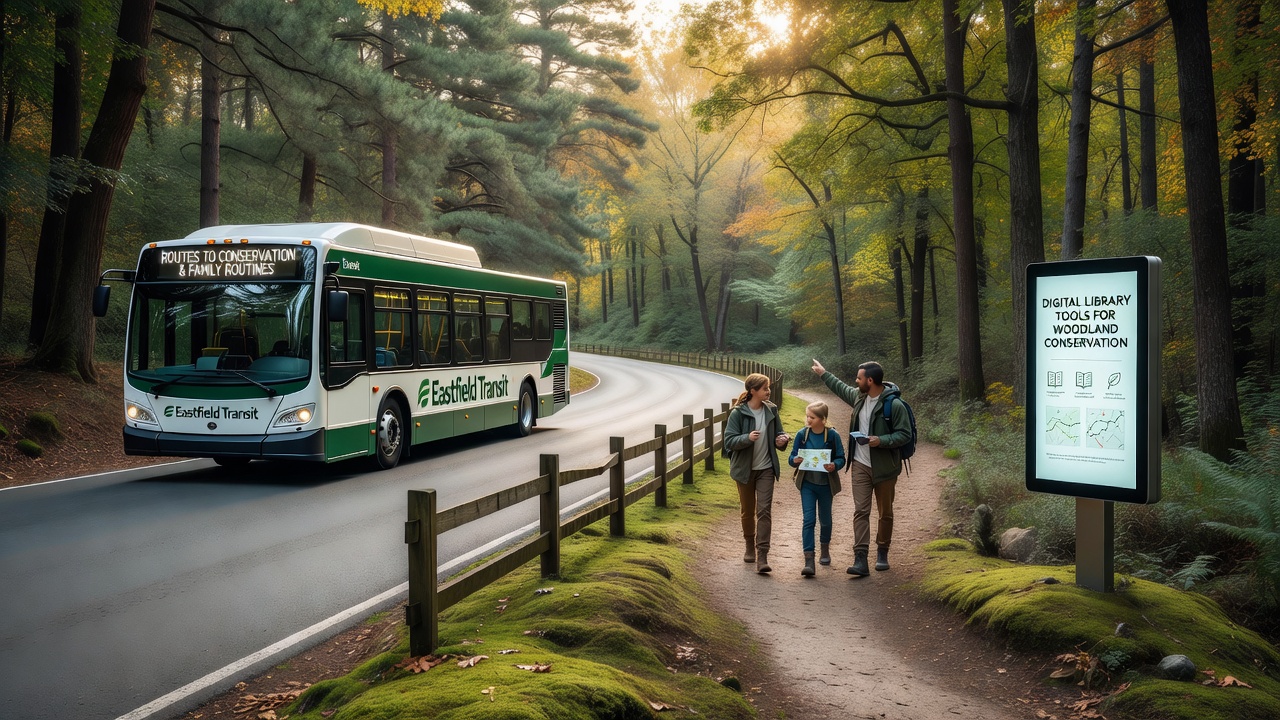
Transport planners updated several Eastfield lines starting in 2025, adding stops near the eastern woodlands and extending evening service on weekends. Data from the regional transport authority shows that ridership on those lines rose by 18 percent in the first six months after the changes, while surveys indicated more households began using buses for day trips rather than driving. The new schedules include connections that let riders transfer once and reach conservation sites in under forty minutes, and operators added bike racks on the vehicles to accommodate families carrying equipment for habitat monitoring.
Real-time tracking through the council app shows arrival times and capacity levels, which helps parents plan around school pickups and work hours. Observers note that the routes avoid major roads where possible and instead follow quieter corridors that border protected tree stands, reducing vehicle emissions near sensitive areas.
Digital Library Resources and Access Tools
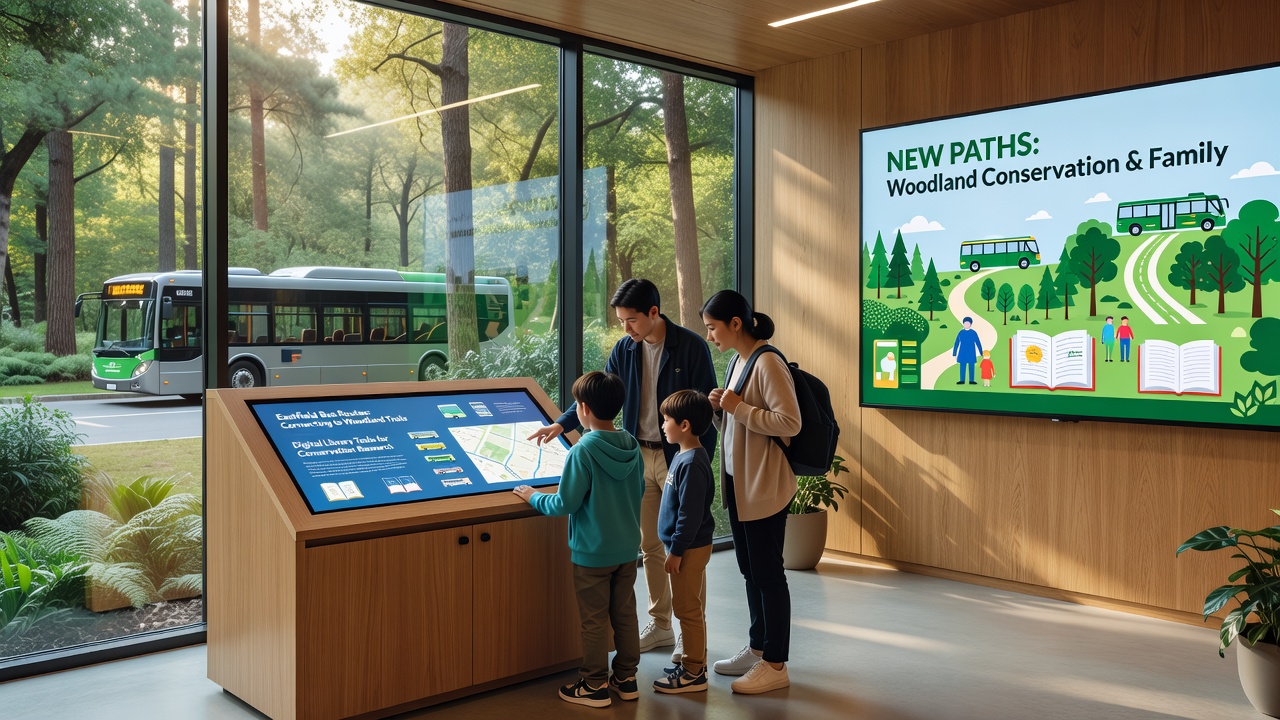
Eastfield libraries introduced a unified digital portal in late 2025 that combines catalog searches with interactive maps of nearby woodlands and reservation systems for guided walks. Users log in with a library card to download trail guides, species identification apps, and volunteer sign-up forms, and the platform logs activity so staff can see which resources see the most use during different seasons. According to figures released by the library service, downloads of conservation-related materials increased 27 percent between January and September 2026.
The tools also integrate with school accounts, letting teachers assign modules on local ecology that students complete at home or on the bus using tablets. One study from a Canadian research institute on digital library adoption found similar patterns in family engagement when resources are tied directly to outdoor locations, and Eastfield staff have referenced those findings when adjusting their own offerings.
Links to Woodland Conservation Activities
Volunteer groups report that easier bus access has increased participation in monthly clean-up and planting sessions at three woodland sites near Eastfield. Participants often use the library portal to register beforehand and download species checklists, which are then synced with a central database managed by a local ecology network. Figures from that network indicate that monitoring coverage expanded to an additional 12 hectares in 2026 because more residents could reach the sites without needing private vehicles.
October 2026 brought a pilot program where library accounts automatically suggest conservation events based on a user's past downloads and bus route preferences, and early results show higher repeat attendance compared with earlier manual sign-ups. The approach draws on practices documented in an Australian government report on community-based habitat management, where digital prompts helped sustain volunteer numbers over multiple seasons.
Adjustments in Family Routines
Households have begun weaving bus trips and library resources into regular patterns, such as Saturday morning library sessions followed by afternoon woodland visits. Parents cite the combination of free bus passes for children under 16 and the ability to check out digital kits in advance as factors that simplify planning. Records from the library service show that family accounts using both the transport and resource features rose steadily through the summer of 2026, with many users accessing the system on weekday evenings to prepare for weekend outings.
School programs have also shifted some field trips to rely on the new bus routes, allowing classes to reach conservation areas during regular school hours while using tablet-based guides prepared through the library platform. This integration has reduced the need for separate permissions and transport arrangements, according to school administrators.
Conclusion
Eastfield's bus routes and digital library tools have created measurable connections between daily travel options and woodland management activities, and October 2026 updates appear to be building on those foundations. The systems continue to generate usage data that local groups use to refine both transport and resource offerings, while families incorporate the options into recurring schedules. Continued tracking by the transport authority and library service will show how these patterns develop in coming months.