Quinn Wagner · 20 October 2026
Eastfield's Award-Winning Farmer Sparks Unexpected Partnerships Between School Fundraising Drives and Woodland Wildlife Projects
Eastfield farmer Thomas Hale received recognition in October 2026 for developing conservation methods that link school fundraising activities directly with habitat restoration in nearby woodlands, and local records show these initiatives have expanded steadily since his initial experiments with crop rotation techniques that reduced soil erosion while supporting native species populations.
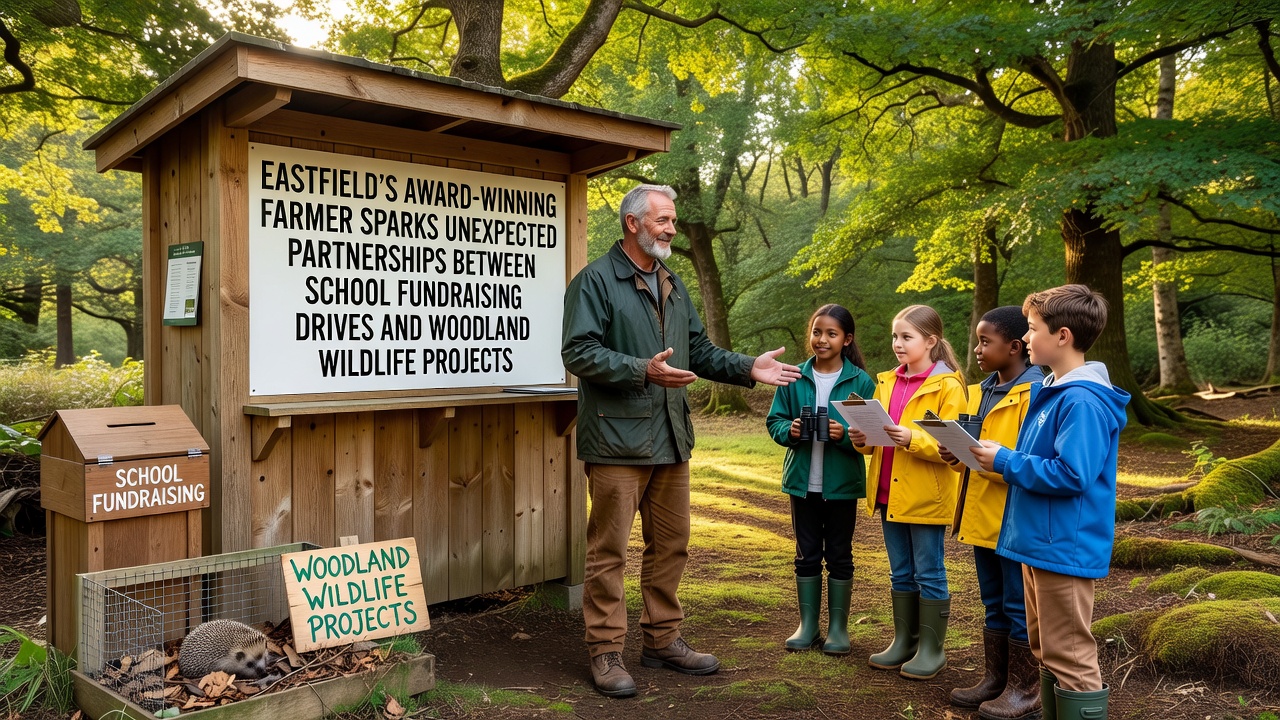
Community observers note that Hale's approach combines agricultural practices with educational outreach, where proceeds from school events fund tree planting and wildlife monitoring programs managed jointly by students and farm staff, creating measurable increases in local biodiversity according to surveys conducted by regional environmental groups.
Background on Hale's Farming Methods
Hale operates a mixed-use farm on the outskirts of Eastfield, where data from soil testing programs indicate improved nutrient retention after he introduced hedgerow expansions and wildflower strips along field boundaries, and these changes coincided with a rise in pollinator activity that benefited both crop yields and adjacent woodland edges.
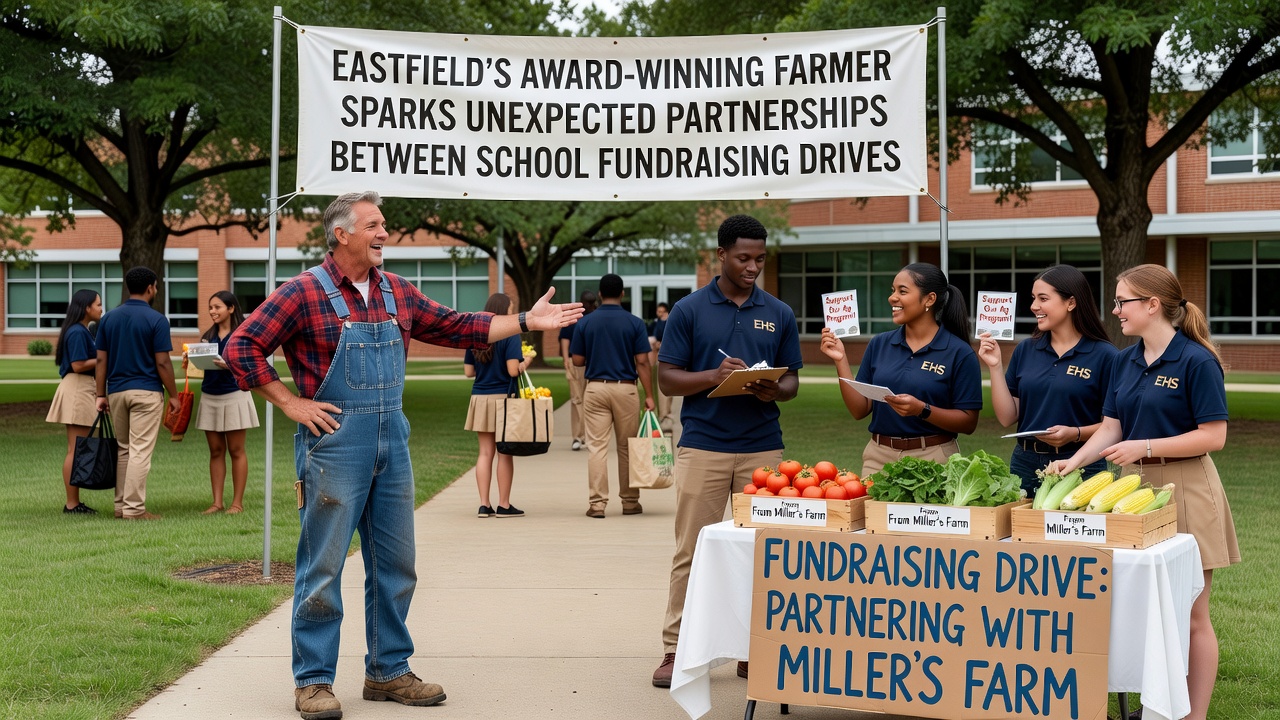
Those who've examined farm logs from the past five years report that Hale's award came after independent assessments confirmed his fields maintained higher levels of earthworm activity and reduced chemical runoff compared to neighboring properties, while partnerships with local schools began as simple donation drives but evolved into structured programs that track wildlife sightings through student-submitted reports.
How School Fundraising Connects to Woodland Projects
Fundraising events organized by Eastfield schools now allocate portions of their earnings to specific woodland tasks such as installing bird boxes and clearing invasive undergrowth, and figures from the most recent cycle reveal that three schools contributed enough to plant over 200 native saplings in a designated restoration zone during the autumn of 2026.
Participants in these drives collect data on species presence using standardized observation sheets supplied by Hale's team, which allows cross-referencing with broader environmental databases, and this integration has produced consistent records showing increased sightings of small mammals and bird species in the targeted areas over successive seasons.
Documented Outcomes in Education and Conservation
School administrators report higher student engagement in science classes when lessons incorporate real-time data from the woodland sites, while Hale's farm supplies samples of soil and leaf litter for classroom analysis that illustrate nutrient cycles and habitat dependencies without requiring off-site travel.
Research conducted by academic partners affiliated with regional universities shows that combined efforts have stabilized certain insect populations that serve as food sources for woodland birds, and annual reports compiled in October 2026 highlighted a 15 percent uptick in recorded butterfly species compared to baseline measurements taken three years earlier.
Funding allocation follows transparent guidelines established through joint meetings between teachers, parents, and farm representatives, ensuring that each drive targets measurable goals such as the installation of bat roosting structures or the maintenance of deer-exclusion fencing around young tree clusters.
Broader Regional Context and Data Sources
Similar linkage models appear in other agricultural zones where educational institutions partner with landowners, and information published by Natural England outlines comparable approaches that emphasize community involvement in habitat management across multiple counties. Additional insights from Canadian federal environmental assessments indicate that school-based monitoring programs can supplement professional surveys when protocols remain consistent and data collection occurs at regular intervals.
Eastfield's implementation stands out because it ties fundraising directly to on-farm demonstrations, allowing students to observe how reduced tillage practices on Hale's land correlate with improved woodland edge conditions, and participation rates have risen each term as families recognize the dual benefits for local education budgets and visible wildlife recovery.
Conclusion
Records maintained by the Eastfield partnership network document ongoing expansion of these collaborations into 2027, with plans to incorporate digital mapping tools that let students contribute geotagged observations from the woodland sites. The structure established by Hale's award-winning methods continues to supply both financial resources for conservation and hands-on learning opportunities that align school activities with measurable environmental indicators in the surrounding landscape.