Ines Schmidt · 2 September 2026
The Eastfield Borough Council has approved the proposed bypass route for the town following a heated debate and a final vote of 13 to 4. The decision comes after months of consultation and planning, aiming to alleviate traffic congestion in the town centre.
Approved Bypass Route Details
The selected route will run to the north of Eastfield, spanning approximately 4.5 miles and connecting the A123 to the B456 roads. It is expected to cost around £45 million and will include two new roundabouts and a bridge over the local river. Officials state that the bypass will reduce through traffic in the high street by up to 40 percent, improving air quality and safety for pedestrians. Construction is scheduled to begin in early 2025 and complete within three years.
Environmental assessments have been conducted, with measures to mitigate impact on local wildlife habitats. The council emphasised that the route avoids the most sensitive areas identified during the review process.
Resident Protests and Concerns
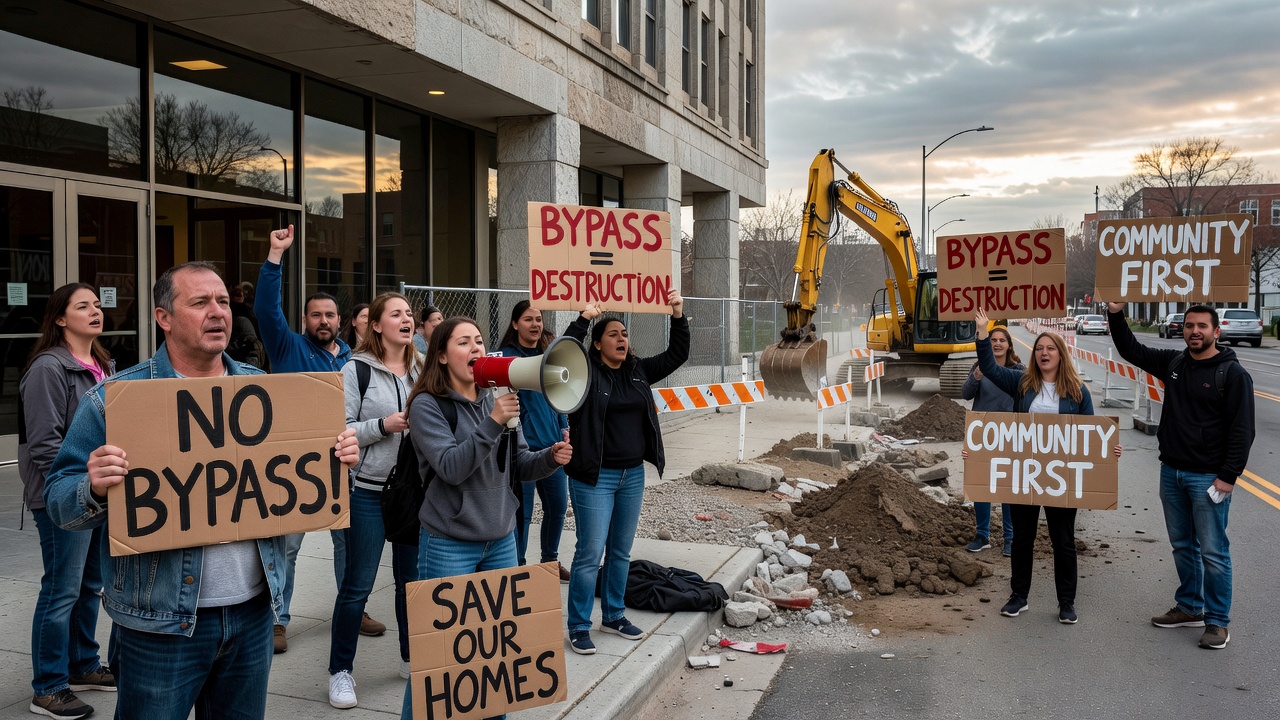
Hundreds of residents gathered outside the council chambers to protest the decision. Organisers of the 'Save Eastfield Green' campaign argued that the bypass will destroy valuable farmland and increase noise pollution in nearby villages. Several speakers at the protest highlighted alternative solutions such as improved public transport and traffic calming measures within the town.
Local resident Jane Thompson said, 'This route will ruin our community and the countryside we cherish. We will continue to fight this through legal channels.' In contrast, some business owners welcomed the news, citing potential for economic growth due to better connectivity. The council has pledged to hold further public meetings to address ongoing concerns as the project moves forward.
Additional funding from central government has been secured, contributing 60 percent of the total cost. Monitoring stations will be installed to track environmental effects post-construction. This approval marks a significant step in Eastfield's infrastructure development, though divisions within the community remain evident.
The planning application received over 1,200 objections from the public, yet the council determined that the benefits outweighed the drawbacks. Traffic modelling studies predict a decrease in journey times for commuters travelling to nearby cities.
Further consultations with affected landowners are planned to discuss compensation and access arrangements. The project will also incorporate cycle paths and pedestrian crossings to promote sustainable travel options.